

Skip to content
Peer-reviewed Research

Employee Engagement as Human Motivation: Implications for Theory, Methods, and Practice

PUBLISHED IN

Integrative Psychological and Behavioral Science

SHARE

Available Now

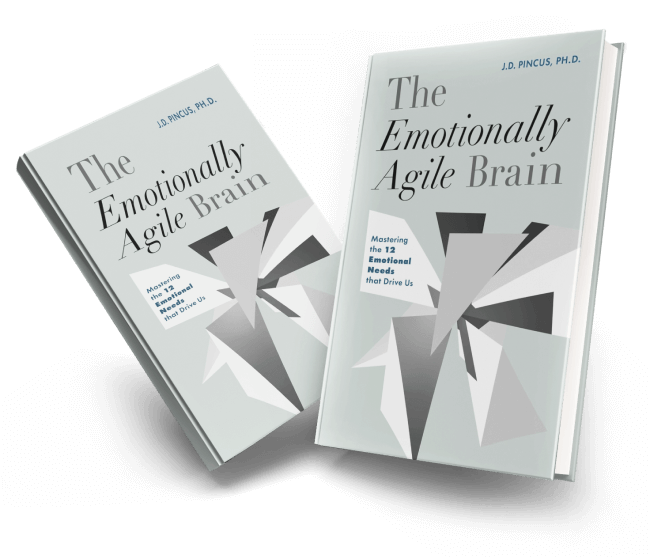
The Emotionally Agile Brain

Mastering the 12 Emotional Needs that Drive Us

by J.D. Pincus, Ph. D.

Discover What Motivates You

The AgileBrain exercise takes just 3 minutes. Discover the motivational drivers beneath your behavior — and what they mean for where you are right now.

30-Day FREE Trial

We stand behind our science. Try AgileBrain free for 30 days and see what motivation intelligence can do for your organization.

Published in: Integrative Psychological and Behavioral Science

J.D. Pincus critiques the current state of employee engagement in human resource management, highlighting the lack of clear definitions and the confusion between causes and effects. It proposes a refined approach, grounding employee engagement in established psychological theories of human motivation. The authors argue that the diverse definitions of engagement found in academic and practical settings can be unified under a comprehensive model of twelve human motivations. By adopting a more structured motivational taxonomy, the paper suggests improvements in theory development, research methods, and practical application. This approach aims to provide clearer, more effective engagement strategies, moving away from the fragmented and inconsistent constructs currently used.

Employee Engagement as Human Motivation: Implications for Theory, Methods, and Practice

Read Full Article
J.D. Pincus, Ph.D. is Chief Innovation Officer at Leading Indicator Systems (d/b/a AgileBrain), focusing on emerging methods for measuring emotion and motivation. He developed the unified pyramid model of human motivation and the AgileBrain measurement technique. He published his model in Integrative Psychological and Behavioral Science, and has gone on to apply the pyramid model to the problems of Human Values, Employee Engagement, Subjective Well-Being, Organizational Culture, Leadership Effectiveness, Team Effectiveness, and Human Goals. His seminal article on the concept of motivation in applied psychology, published in the Journal of Consumer Behaviour, has been cited in 222 subsequent papers. He lives in Massachusetts, with his wife, a Maltipoo puppy named Bean, and a black cat named Salem. His book, The Emotionally Agile Brain: Mastering the 12 Emotional Needs that Drive Us, was recently published by Rowman & Littlefield/Bloomsbury.

Continue Reading