A well-staffed team still needs a shared language
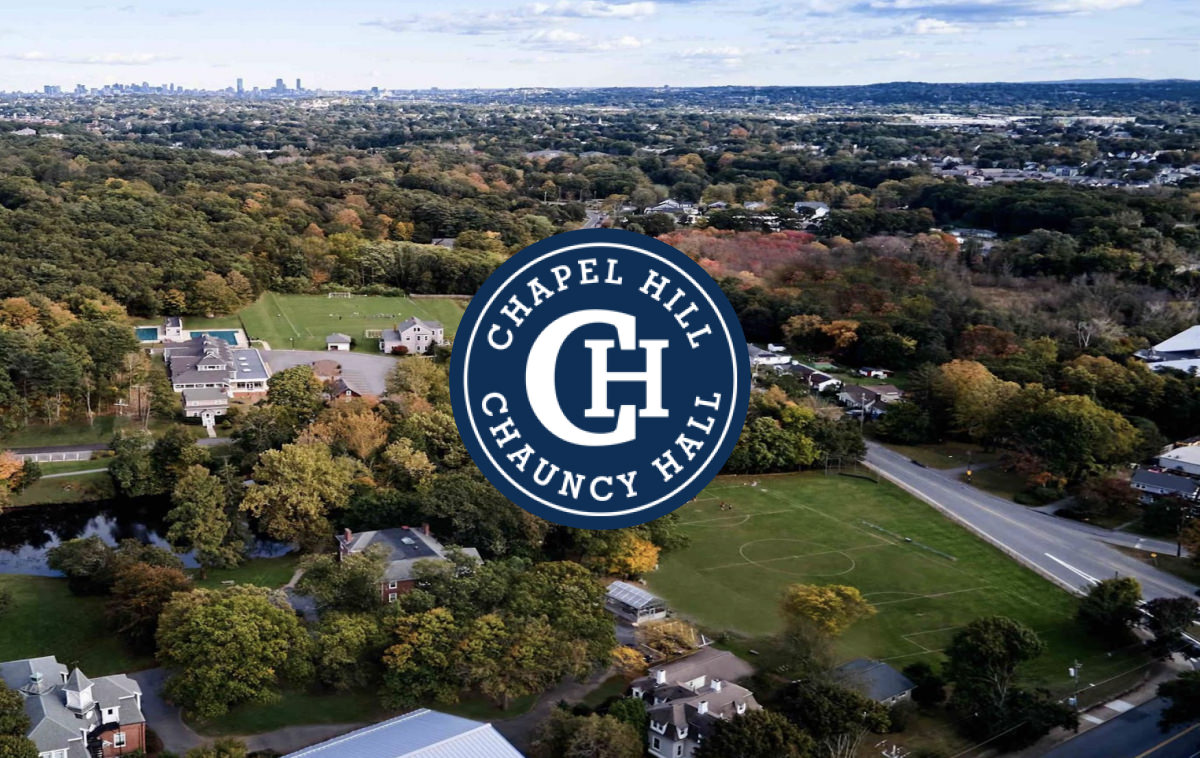
Chapel Hill–Chauncy Hall runs an unusually well-resourced wellness operation for a school its size: three full-time counselors and two graduate-level interns supporting just over 200 students, grades 7 through post-graduate, at a 10:1 student-to-teacher ratio. Even with that level of staffing, the school still faced a harder problem: students lacked a common, accessible framework for identifying what was driving their reactions in the moment and for putting that into words with an adult or peer.
Without a shared vocabulary, even well-supported students can struggle to name what is actually happening for them, or to know when and how to ask for help.
"In a remarkably short period of time, I've seen AgileBrain help our students build comfort in approaching conversations around emotional wellbeing, a task that can otherwise feel inaccessible for some. This feels like it could really make a difference, and I'm excited to continue to see the positive impact this tool can have in our community!"
— Neil Hagen, LMHC, Director of Counseling and Wellness, Chapel Hill–Chauncy Hall SchoolThe counseling program already had strong infrastructure — but not a shared emotional language
Before AgileBrain, CH–CH already had a substantial wellness infrastructure in place: a dedicated counseling team, elective-based wellness lessons, and a clear commitment to student support. The gap was not in access to care. It was in how students made sense of what they were experiencing in the moment.
That meant the school could offer support, but students still needed a more concrete way to identify the forces shaping their reactions and then bring those experiences into a productive conversation.
AgileBrain gave the team a language students could actually use
CH–CH partnered with AgileBrain as a national launch partner for student wellness in secondary education. Counselors worked directly with the AgileBrain team to tailor curriculum content, developed with certified instructors and neuroscientists, to fit how their students actually engage. The program launched with the full 11th-grade class in September, delivered as three-week mini-series (three 40-minute sessions each) on Wednesday afternoons, with feedback collected after every session to shape what came next.
What changed was not only the lesson design, but the level of comfort students felt in discussing emotional wellbeing. Rather than approaching conversations as abstract or intimidating, the framework gave students a way to name what was happening inside them and talk about it in a format that felt more grounded and accessible.
Once students had a frame, participation changed
Inside the classroom, the shift showed up in participation, not just curriculum design. Students were not required to take the course; they chose it. When 11th graders signed up for wellness electives, AgileBrain was the most popular option, with the majority choosing it as their first choice.
Counselors built in a structured feedback loop after every session so the program could adapt in real time based on what students said was and was not landing. In practice, the new framework helped students talk about emotional wellbeing with more ease, while giving counselors a clearer path for follow-up and support.
AgileBrain became the top-choice wellness course
AgileBrain was the #1 selected wellness course among 11th graders, chosen by the majority as their top pick during sign-ups. After just the first mini-series, more than a third of participating students asked for a one-on-one follow-up session to keep working on identifying and regulating their reactions.
"We've seen the power of the AgileBrain system up close. The AgileBrain framework and gamified AgileBrain exercises are remarkable in their ability to engage students and support counselors in meaningful conversation about emotions. It is truly game changing."
— Lance Conrad, Ed.D., Head of School, Chapel Hill–Chauncy Hall School