

Skip to content

Leading Through Uncertainty: Addressing Burnout Among College Administrators

Addressing Burnout Among College Administrators

SHARE

Available Now

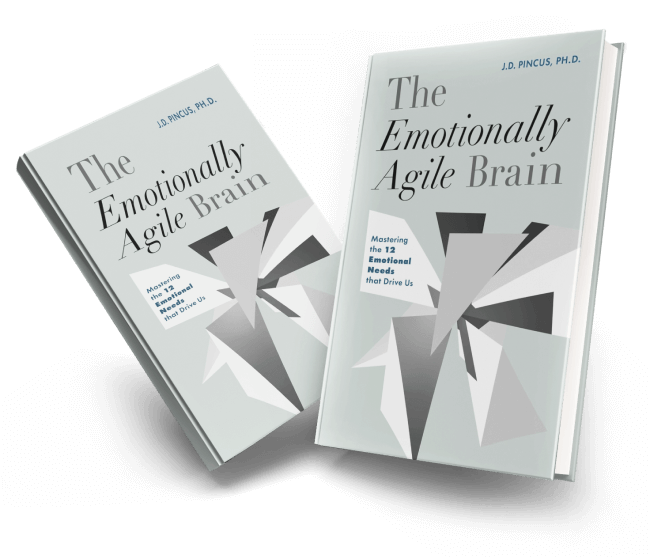
The Emotionally Agile Brain

Mastering the 12 Emotional Needs that Drive Us

by J.D. Pincus, Ph. D.

Discover What Motivates You

The AgileBrain exercise takes just 3 minutes. Discover the motivational drivers beneath your behavior — and what they mean for where you are right now.

30-Day FREE Trial

We stand behind our science. Try AgileBrain free for 30 days and see what motivation intelligence can do for your organization.

As we approach Mental Health Awareness Month in May, it’s crucial to shine a light on the often-overlooked mental health challenges faced by higher education leaders. The evolving landscape of academia has intensified pressures on administrators, leading to significant levels of burnout.

64%
felt burned out due to work-related pressures due to work-related pressures
80%
were concerned about their ability to maintain administrative capabilities amid staffing shortages
56%
expressing doubts about adequately serving students with current staffing levels

The Growing Concern of Administrator Burnout

Recent studies highlight the severity of this issue. A 2022–23 Healthy Minds survey revealed that 64% of faculty and instructors felt burned out due to work-related pressures. apa.org

Similarly, a report from the National Association of Student Financial Aid Administrators (NASFAA) found that nearly 80% of surveyed financial aid offices were concerned about their ability to maintain administrative capabilities amid staffing shortages, with 56% expressing doubts about adequately serving students with current staffing levels. nasfaa.org

These statistics underscore a pressing need for institutions to prioritize the well-being of their leadership teams.

Traditional Approaches Fall Short

While many institutions offer wellness programs aimed at students and faculty, the unique challenges faced by administrators often go unaddressed. Standardized wellness initiatives may not resonate with the specific stressors and responsibilities inherent in leadership roles.

Introducing AgileBrain: A Tailored Solution for Leaders

To effectively combat burnout among college administrators, a more personalized approach is essential. AgileBrain is an innovative exercise designed to provide real-time insights into an individual’s emotional and motivational needs. By utilizing a quick, image-based exercise, AgileBrain helps users identify and understand their core emotional drivers, offering actionable strategies to enhance well-being and performance. agilebrain.com

How AgileBrain Can Make a Difference

For higher education leaders, understanding one’s emotional landscape is pivotal. AgileBrain empowers administrators to:

Identify Unmet Emotional Needs

Pinpoint areas such as autonomy, recognition, or purpose that may require attention.

Develop Personalized Well-being Strategies

Create tailored action plans to address specific emotional needs, fostering resilience and job satisfaction.

Enhance Decision-Making

By understanding their emotional drivers, leaders can make more informed and balanced decisions.

As we near Mental Health Awareness Month, it’s an opportune time for higher education institutions to reflect on the well-being of their leadership. Implementing AgileBrain can lead to more resilient leaders and, by extension, more robust institutions.

Learn how AgileBrain can support your institution’s leadership

The mental health crisis on college campuses demands innovative solutions. As more institutions adopt inspo, we can anticipate improved detection and management of student distress, fostering more effective solutions and healthier and more supportive campus environments.

excerpt from Trustee Quarterly, Fall 2024; An Image-Based Method for Assessing Student Emotional Well-Being. By Randall J. VanWagoneer and Tony Colón

Randy VanWagoner
President; Mohawk Valley Community College
J.D. Pincus, Ph.D. is Chief Innovation Officer at Leading Indicator Systems (d/b/a AgileBrain), focusing on emerging methods for measuring emotion and motivation. He developed the unified pyramid model of human motivation and the AgileBrain measurement technique. He published his model in Integrative Psychological and Behavioral Science, and has gone on to apply the pyramid model to the problems of Human Values, Employee Engagement, Subjective Well-Being, Organizational Culture, Leadership Effectiveness, Team Effectiveness, and Human Goals. His seminal article on the concept of motivation in applied psychology, published in the Journal of Consumer Behaviour, has been cited in 222 subsequent papers. He lives in Massachusetts, with his wife, a Maltipoo puppy named Bean, and a black cat named Salem. His book, The Emotionally Agile Brain: Mastering the 12 Emotional Needs that Drive Us, was recently published by Rowman & Littlefield/Bloomsbury.

Continue Reading

Blackstone Valley Hub: The skills that get you hired aren’t the ones that keep you there
Read More →